
Most people buying coffee scrubs have never stopped to consider what type of coffee seed is in the jar. The term “coffee” covers hundreds of varieties, roast levels, and processing methods — and they do not behave equally on skin. Flat java seeds, specifically arabica beans from Indonesia’s Java region, have a different caffeine profile and particle structure than the peaberry rounds or commercial robusta that many brands quietly substitute. That substitution is a core reason so many coffee beauty products disappoint.
Dermatologists typically observe that caffeine’s vasoconstrictive properties can temporarily reduce puffiness and improve surface circulation when applied topically. But concentration, grind consistency, carrier formulation, and contact time all shape that outcome. Picking the right flat java seed format — whole green beans for oil extraction, medium-fine ground for scrubs, ultrafine powder for masks — changes the result significantly.
This article does not constitute medical or dermatological advice. Consult a licensed dermatologist before introducing new actives into your skincare routine, particularly if you have an existing skin condition.
The One Thing Worth Knowing Before You Buy Anything
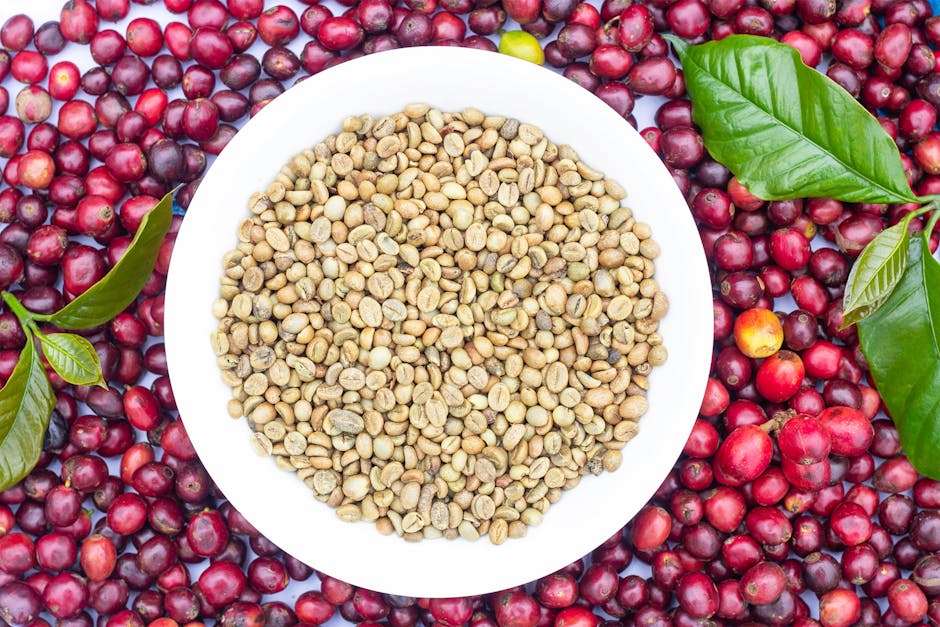
Green, unroasted flat java seeds contain significantly higher levels of chlorogenic acid than their roasted counterparts. Roasting destroys roughly 70% of chlorogenic acid content. If antioxidant benefit is your goal, roasted coffee scrubs are primarily delivering physical exfoliation — not much beyond that. Raw green java seed extract is the active ingredient worth seeking.
The short verdict: for antioxidant and brightening effects, look specifically for products using green coffee bean extract rather than standard roasted grounds. For physical exfoliation and a temporary circulation boost, medium-roasted ground beans are sufficient and considerably cheaper. Knowing this one distinction saves you from paying a premium for the wrong form.
What “Flat” Means and Why the Seed Structure Affects Skin Safety
The structural difference most beauty brands never explain
Coffee beans come in two structural forms. The peaberry is a round, dense single seed that forms when only one ovule develops inside the coffee cherry — accounting for roughly 5% of any harvest. The remaining 95% are flat beans: two-sided seeds that develop when both ovules form normally, each with one flat face and one convex face.
Java arabica flat beans are grown at altitude on volcanic soil in East Java, Indonesia. They’re typically wet-processed (washed), which means less fermentation occurs during processing — preserving higher concentrations of the acids and methylxanthines relevant to topical applications. The washed process produces a cleaner chemical composition in the final seed, which matters when you’re putting something on your face.
Why grind consistency matters more than origin for scrub safety
Flat seeds grind more predictably than peaberry. A medium grind from flat java arabica produces relatively uniform particles — cosmetic dermatology research has generally placed safe facial exfoliation in the 300–800 micron range. Peaberry grinds inconsistently, producing a mix of fine dust and jagged shards that increase micro-tear risk with aggressive application.
This is not a minor concern. Micro-tears allow bacteria to enter the skin, and repeated abrasion degrades the skin barrier over time. Dermatologists typically recommend limiting physical facial exfoliation to once or twice per week regardless of ingredient quality. The most common mistake in coffee scrub use is applying too much pressure too frequently, on the assumption that more coffee equals more benefit. It doesn’t.
The chemical profile of Java estate beans versus commercial arabica
Indonesia’s government-controlled Java estates — Blawan, Jampit, Pancoer, and Kayumas — produce the most consistently processed flat beans available commercially. Wet processing at these estates typically yields higher retention of chlorogenic acid isomers, particularly 3-CQA and 5-CQA, compared to natural-processed origins where fruit fermentation degrades these compounds. For DIY formulators who want traceable sourcing, Volcanica Coffee’s Java Estate green beans ($18.99 per 16oz) are sourced from these estates with documented processing records.
Green flat java seeds also contain meaningful concentrations of cafestol and kahweol — diterpene compounds that research has generally associated with anti-inflammatory activity at the skin level. These are fat-soluble and transfer well into oil-based carrier formulations, which is why cold-pressed green coffee seed oil has moved into legitimate use in premium eye serums and facial oils.
How the Main Products Actually Compare
The market divides into three categories: ready-made scrubs using ground java beans, skincare products using java seed extract or oil, and raw seeds for DIY. Here’s how the main options stack up across the formats most buyers are choosing between:
| Product | Format | Bean Type | Best For | Price |
|---|---|---|---|---|
| Frank Body Original Coffee Scrub | Ground scrub | Indonesian arabica | Body exfoliation, dry skin | $17.99 / 200g |
| The Ordinary Caffeine Solution 5% + EGCG | Serum | Isolated caffeine + green tea | Under-eye puffiness | $7.90 / 30ml |
| Kopari Coconut Coffee Scrub | Ground scrub | Robusta coffee | Body use, cellulite area | $28 / 8oz |
| HUXLEY Coffee Scrub | Fine-ground mask/scrub | Saharan-sourced arabica | Sensitive skin, face use | $32 / 50ml |
| Tree Hut Shea Coffee Scrub | Sugar + coffee blend | Robusta | Budget body exfoliation | $8.99 / 18oz |
| Volcanica Java Estate Green Beans (DIY) | Raw seeds | Flat green java arabica | DIY oil, mask, cold extract | $18.99 / 16oz |
A few clarifications this table can’t capture. The Ordinary’s caffeine serum uses isolated caffeine compound, not whole java seeds. It’s effective for under-eye puffiness because the 5% concentration is standardized — far higher than any scrub residue left on skin. The EGCG from green tea handles most of the antioxidant work in that formula. Kopari uses robusta, not java arabica — higher caffeine content but rougher, more irregular particles. Appropriate for thicker body skin, not for face use. Frank Body sources Indonesian arabica but doesn’t specify Java estate origin, leaving chlorogenic acid content an open variable.
Four Practical Ways to Use Flat Java Seeds at Home
- Cold-press oil extraction: Grind raw green flat java seeds to a coarse meal. Combine with jojoba oil — its composition is closest to skin’s natural sebum — at a 1:3 ratio by weight. Seal in a dark glass jar and store at room temperature for 6 weeks, shaking daily. Strain through muslin. The resulting green-tinted oil retains fat-soluble cafestol and kahweol. Apply 3–4 drops after toner and before moisturizer. This is the only DIY method that preserves the full diterpene profile of the raw seed.
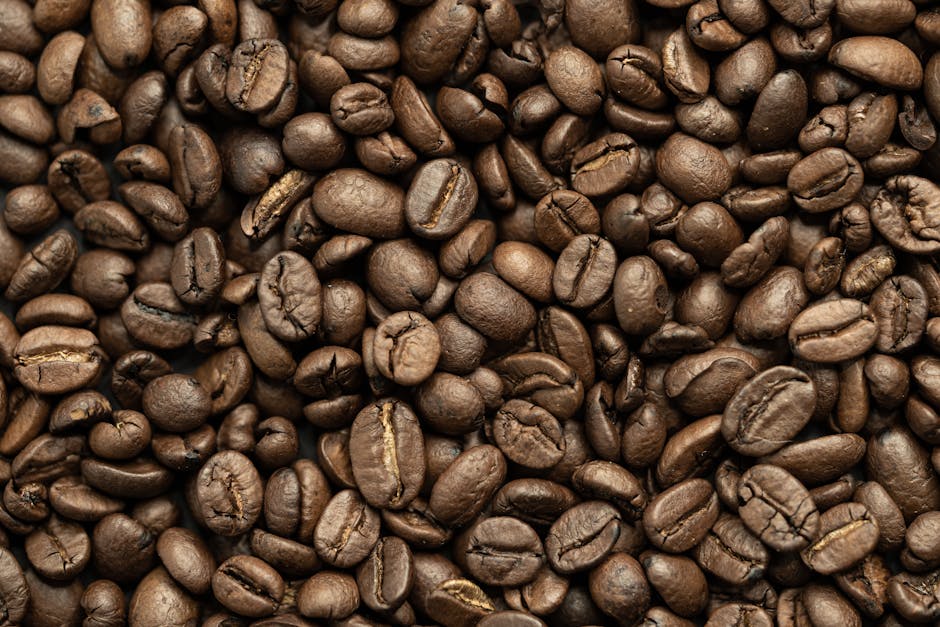
- Medium-roasted body scrub: Use medium-roasted java arabica at a medium-coarse grind — similar to French press consistency. Mix 2 tablespoons with 1 tablespoon of sweet almond oil and half a teaspoon of raw honey. Apply to damp skin in circular motions for 60–90 seconds, then rinse with lukewarm water. The oil suspension is what makes this safe: it creates a glide layer that reduces friction and substantially lowers the abrasion risk of dry-applied grounds.
- Ultrafine powder mask: Grind roasted flat java beans fine, then sieve through a 200-micron mesh to remove larger fragments. Mix with plain yogurt — the lactic acid provides mild chemical exfoliation alongside the physical action — and apply as a 10-minute mask. Works best on normal-to-oily skin. Dermatologists typically advise against physical exfoliants on active inflammatory acne: the mechanical friction spreads bacteria across the surface.
- Cold brew concentrate for the eye area: Steep 40g of coarsely ground java arabica in 200ml of cold filtered water for 18 hours. Filter twice through a paper coffee filter. Soak two cotton rounds in the concentrate and apply to closed eyes for 10 minutes. Caffeine and tannins temporarily constrict superficial blood vessels, reducing puffiness and the appearance of dark circles. Studies have generally found that no topical treatment permanently corrects genetically determined under-eye pigmentation — this is maintenance, not a cure.
One practical note on frequency that gets overlooked: twice weekly for body scrubs, once weekly maximum for face applications. More frequent use compromises the skin barrier faster than any benefit from coffee compounds can compensate for.
Questions That Actually Come Up About Java Seed Skincare
Does sourcing whole green java seeds make better DIY products than buying extract?
For oil applications, yes. Cold-pressed green java seed oil retains cafestol and kahweol in intact form — compounds that partially degrade during heat-based or solvent industrial extraction. For pure caffeine concentration, isolated caffeine in products like The Ordinary Caffeine Solution 5% is more consistent and better dosed than anything achievable at home. Know which outcome you’re after. They’re not interchangeable goals, and conflating them is where most DIY coffee skincare fails.
Is there a meaningful difference between Java arabica and other origins for skin?
The evidence is indirect but reasonable. Java estate arabica is wet-processed, which preserves higher chlorogenic acid concentrations compared to natural-processed origins where extended fruit fermentation degrades some of these acids. Ethiopian natural-process beans have more aromatic volatile compounds but lower chlorogenic acid. For antioxidant and brightening formulations, wet-processed origins — Java estate arabica or Kenya SL28/SL34 — are generally the more defensible choice if origin matters to you.
Can java seed scrubs permanently reduce cellulite?
No. No topical treatment has demonstrated permanent cellulite reduction in peer-reviewed literature. Caffeine causes temporary vasoconstriction and can create a smoother surface appearance for several hours post-application. The massage action of applying any scrub independently improves temporary lymphatic drainage — arguably contributing more to the effect than the coffee itself. Brands that imply otherwise are overstating what the research supports.
Matching the Seed Format to the Specific Skin Goal
Green, unroasted flat java seeds are the right choice for anyone whose primary goal is antioxidant or brightening benefit. The chlorogenic acid and diterpene content in raw beans — specifically from traceable Java estate arabica like Volcanica’s offering — gives you something most commercial coffee scrubs either don’t contain or don’t disclose. Formulating your own oil costs roughly the same as a mid-range scrub and delivers compounds that survive the process intact.
For under-eye use, skip the DIY entirely. The Ordinary Caffeine Solution 5% at $7.90 is standardized, sterile, and pH-adjusted appropriately for the thin periorbital skin. Cold brew compresses are fine occasionally, but the concentration is uncontrolled and the risk of introducing bacteria near the eye is real with homemade preparations.
Frank Body Original Coffee Scrub is the reliable body exfoliation pick — not because of exceptional seed sourcing, but because the coconut oil carrier and arabica grind work consistently across a wide range of skin types. HUXLEY’s Coffee Scrub is the better choice for anyone with sensitive skin wanting a face-safe option: the Korean brand’s finer grind and conservative formulation reflect stricter cosmetic regulatory standards, and it shows in the product’s texture.
The buyers who consistently get disappointing results are those purchasing roasted coffee scrubs expecting meaningful antioxidant and brightening outcomes — that’s not what roasted grounds deliver at useful concentrations. As cosmetic research into green coffee extract deepens, particularly around chlorogenic acid’s role in photoprotection and melanin regulation, the distinction between raw and roasted java seeds will likely become a standard part of how informed consumers filter beauty products. The brands currently transparent about roast level and seed origin are positioning themselves well for that shift.