
You walk into a Nairobi gym and see the same three logos: Nike, Adidas, Puma. But are those actually the best options for your body type, your budget, and the humidity of a Kenyan morning workout? Probably not.
I spent three weeks researching activewear brands available in Kenya — checking fabric composition, price per piece, return policies, and real customer reviews. This guide covers eight brands you can actually buy here, with hard numbers on what you get for your money.
What Makes Activewear Work in Kenya’s Climate?
Nairobi sits at 1,795 meters above sea level. The mornings are cool (12°C), the afternoons hot (26°C), and the humidity swings wildly depending on whether it’s rainy season. Mombasa and Kisumu are hotter and more humid year-round.
Your activewear needs to handle three things: sweat wicking, quick drying, and durability through frequent washing. A cotton T-shirt soaks through in 15 minutes. A polyester-spandex blend keeps you dry for an hour.
Fabric Composition Matters More Than Brand Names
Look at the label before you look at the logo. The best activewear for Kenyan conditions uses polyester (65-85%) blended with elastane or spandex (10-20%). Nylon is also good but tends to hold odor more quickly.
Cotton content above 20% in a “workout top” is a red flag. It will soak sweat, stay wet, and chafe within 30 minutes.
Price per Wear: The Real Metric
A Ksh 1,500 top you wear three times a week for six months costs Ksh 21 per wear. A Ksh 4,500 top that lasts 18 months costs Ksh 17 per wear. The cheaper option is actually more expensive in the long run. This is how I evaluate every brand below.
Local Kenyan Activewear Brands: Quality and Value
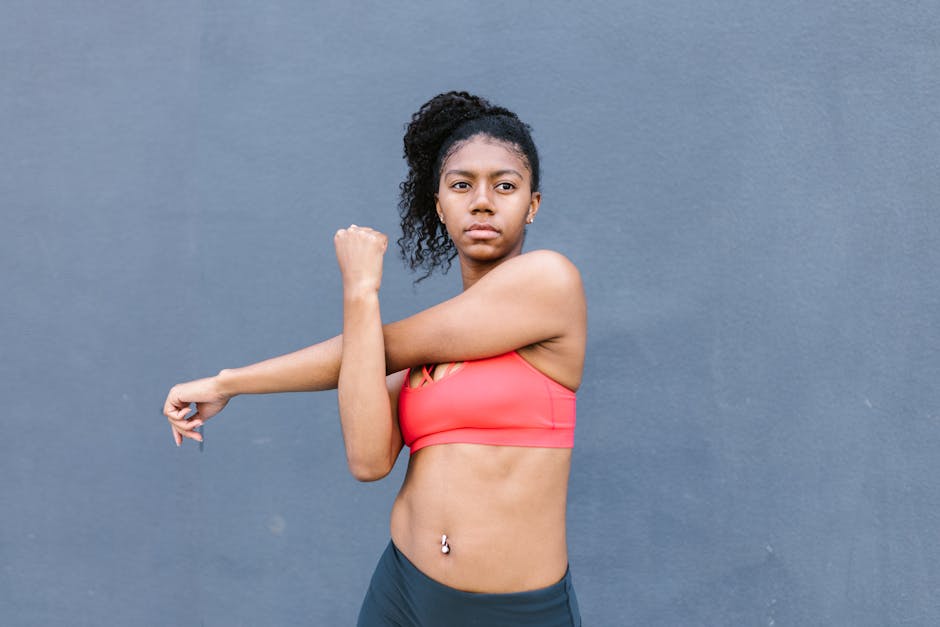
Four Kenyan brands have emerged in the last five years that compete directly with international names on quality, while undercutting them on price by 30-50%. Here’s how they stack up.
| Brand | Price Range (Ksh) | Fabric Blend | Best For | Return Policy |
|---|---|---|---|---|
| Sweat & Soul | 1,200 – 3,500 | Polyester 75%, Elastane 25% | Yoga, pilates, light cardio | 7 days, unworn |
| Kisua | 2,500 – 5,000 | Nylon 80%, Spandex 20% | Running, HIIT, high-sweat | 14 days, tags attached |
| Malaika Activewear | 1,800 – 4,200 | Polyester 70%, Cotton 15%, Elastane 15% | Casual wear, low-impact | 5 days, receipt required |
| FitKit Kenya | 1,500 – 3,000 | Polyester 85%, Spandex 15% | Budget-friendly, all-purpose | No returns on sale items |
Sweat & Soul: Best for Yoga and Studio Workouts
Their leggings use a four-way stretch fabric that doesn’t go sheer when you squat. The waistband stays put during downward dog. One customer I spoke with owns three pairs and washes them after every session — no pilling after six months.
The downside: their tops run small. If you’re between sizes, go up. Their return window is only seven days, so try on immediately.
Kisua: The High-Sweat Champion
Kisua uses a nylon-spandex blend that dries in about 20 minutes on a Nairobi clothesline. Their running tights have a hidden pocket for your phone (fits a Samsung S23 or iPhone 14). The reflective strip on the ankle is a nice safety touch for early morning runs.
Price is higher than other local brands, but the fabric quality justifies it. One runner told me her Kisua leggings survived 200+ km of training without losing elasticity.
International Brands Available in Kenya: What’s Actually Worth It
Nike, Adidas, Puma, and Lululemon all have a presence in Kenya — either through official stores in Nairobi malls or through authorized resellers. But the pricing is not the same as in Europe or the US.
Nike: The Safe Bet, But at a Premium
A pair of Nike Dri-FIT leggings costs Ksh 6,500-9,000 in Nairobi. That’s about 20% higher than the US retail price. The quality is consistent — you know exactly what you’re getting. The Dri-FIT fabric genuinely wicks sweat and holds up to 100+ washes.
The problem: counterfeits. If you buy from a street vendor or an unverified online seller, you’re probably getting a 100% polyester fake that will pill in three washes. Buy only from the official Nike store at Two Rivers or their authorized dealers.
Adidas: Better Value on Basics
Adidas Essentials leggings (Ksh 4,500-6,000) offer similar quality to Nike at a lower price point. Their AEROREADY fabric is comparable to Dri-FIT. The color options are more muted — black, navy, grey — which works if you want pieces that mix and match easily.
The sizing runs large. If you wear a size M in most brands, try S in Adidas. Their return policy through official stores is 30 days, which is the best among international brands here.
Lululemon: The Premium Option (If You Can Afford It)
Lululemon leggings start at Ksh 12,000 and go up to Ksh 18,000. That’s a significant investment. But their Nulu and Everlux fabrics are genuinely better than anything else on this list — softer, more compressive, and more durable.
I recommend Lululemon only if you work out 5+ times per week and have the budget. For the occasional gym-goer, the cost per wear doesn’t justify the price. Their Nairobi store at The Hub offers free hemming on leggings, which is a nice bonus.
Common Mistakes When Buying Activewear in Kenya
I see the same errors again and again. Here are the three that cost people the most money and frustration.
Buying Based on Brand Alone
The Nike logo on a T-shirt doesn’t mean it’s performance fabric. Nike sells lifestyle activewear (cotton blends, loose fits) and actual training gear (technical fabrics, compression fits). A Nike Club T-shirt is for casual wear. A Nike Dri-FIT shirt is for workouts. They look similar. They perform completely differently.
Check the product name, not just the brand. If it doesn’t say “Dri-FIT”, “AEROREADY”, or “Climalite” on the tag, it’s probably not designed for sweating.
Ignoring the Squat Test
White and light-colored leggings are trendy. But most cheap white leggings go completely sheer when you bend over or squat. Before you buy any light-colored bottom, do this: put them on, bend over and touch your toes, then squat. Look in a mirror. If you can see your underwear color through the fabric, don’t buy them.
The squat test should be mandatory for every purchase, buying from a local brand or an international one.
Assuming Size Charts Are Accurate
Kenyan brands often use Asian or European sizing charts without adjustment. A size M from Sweat & Soul fits differently than a size M from FitKit. Always measure your waist, hips, and inseam before ordering. Most local brands have a measurement guide on their website — use it.
If the brand doesn’t provide measurements, skip it. You’re gambling with your money.
When NOT to Buy Activewear (and What to Get Instead)
Not every workout needs dedicated activewear. Here’s when you can save your money.
Low-Impact Activities: Regular Athletic Wear Works
Walking, stretching, light cycling, or weightlifting with low sweat output — you don’t need compression fabric or moisture-wicking technology. A cotton T-shirt and loose shorts are fine. Save the Ksh 4,000 leggings for high-sweat sessions.
One-Time Events: Rent or Borrow
If you’re doing a charity run or a one-off yoga class, don’t buy a full outfit. Borrow from a friend or buy the cheapest option from FitKit. The cost per wear on a single-use item is absurd.
When You Prefer Loose Fits
Compression activewear is popular, but it’s not mandatory. If you’re uncomfortable in tight leggings, buy joggers and a loose tank top. The performance difference is minimal for most activities. Comfort matters more than fabric technology.
How to Test Fabric Quality Before Buying
You can assess activewear quality in 30 seconds without any special equipment.
The Stretch Test
Pull the fabric horizontally and vertically. Good activewear stretches 50-75% of its original width and snaps back immediately. If it stays stretched out or feels loose, the elastane content is too low. That fabric will sag after 30 minutes of wear.
The Light Test
Hold the fabric up to a bright light. If you can see through it easily, it will go sheer when stretched. Two layers of fabric should block most light. This is especially important for leggings and shorts.
The Rub Test
Rub the fabric against itself vigorously for 10 seconds. If you see pills forming (those little balls of fiber), the fabric quality is poor. Pilling happens when short fibers break loose — a sign of low-grade polyester or cotton blends.
Final Comparison: Which Activewear Brand Should You Choose?
Here’s the compressed verdict based on your situation.
- Budget under Ksh 2,000 per piece: FitKit Kenya. Good enough for 3-4 workouts per week. Expect 6-8 months of use before fading or pilling.
- Best value (Ksh 2,000-4,000): Sweat & Soul for yoga/studio, Kisua for running/HIIT. Both outperform international brands at similar price points.
- Premium investment (Ksh 6,000+): Lululemon if you train 5+ days per week. Nike or Adidas if you want consistent quality without the premium price.
- Avoid entirely: Unbranded street market activewear, any brand that won’t share fabric composition, and cotton-heavy blends marketed as “gym wear.”
Get multiple quotes. Try before you buy when possible. And always do the squat test.