
Alright, let’s cut to the chase. I’ve seen countless guys drop hundreds, even thousands, on a watch, only to slap on some cheap, flimsy strap that came with it or a random replacement they found for ten bucks online. Here’s the misconception I want to smash right now: your watch strap isn’t just an afterthought. It’s not just a belt to hold your watch. It’s half the watch’s personality, all of its comfort, and a huge part of its longevity. Thinking a fantastic watch head can carry a terrible strap is like putting racing tires on a broken axle. It just doesn’t work. I’ve been through dozens of straps, from the shockingly cheap to the ridiculously overpriced, and I’ve learned what makes a real difference. Trust me, the right strap elevates everything.
Why Your Watch Strap Matters More Than You Think
For years, I was that guy. I’d obsess over movements, dial colors, and case finishes, completely neglecting the piece of material that actually touches my skin all day. Big mistake. A watch, no matter how beautiful, is only as good as its wearability. And wearability? That’s almost entirely dictated by the strap.
Think about it. This isn’t just a piece of jewelry; it’s a tool, an everyday companion. If it pinches, sweats, or irritates your wrist, you’ll stop wearing it. I know I did. I’ve owned watches I loved the look of, but they gathered dust in a drawer because the original strap was an ergonomic nightmare. Investing in a quality strap isn’t about vanity; it’s about making your watch a comfortable, integral part of your daily life. It’s about feeling good when you wear it.
The Unseen Impact of Cheap Materials
I learned the hard way that cheap watch straps are a false economy. I used to buy those ‘genuine leather’ straps for under $20, thinking I was getting a deal. What I actually got was a flaky, sweat-stained mess within months. These often use bonded or corrected grain leather, which is basically leather dust glued together, then coated in plastic. They don’t breathe, they don’t age gracefully, and they often cause skin irritation because they trap moisture and cheap dyes can leech out.
Similarly, ultra-cheap silicone or rubber straps can feel sticky, attract lint like a magnet, and sometimes even smell bad after a short period of wear. They also tend to harden and crack over time. A good strap, whether it’s full-grain leather, high-quality FKM rubber, or woven nylon, contributes to the overall experience. It feels better, looks better, and lasts significantly longer, saving you money in the long run from constant replacements. It’s an investment in comfort and aesthetic integrity.
Transforming Your Watch’s Character
Changing a strap is like giving your watch a completely new outfit. A dive watch on a sleek FKM rubber strap looks purposeful and ready for adventure. Put that same dive watch on a rugged leather NATO, and it takes on a vintage military vibe. Swap it for a dressy alligator or shell cordovan, and it can almost pass as a formal piece. I’ve extended the life and versatility of my collection tenfold just by having a diverse strap wardrobe. This flexibility means you don’t need five different watches for five different occasions; you might only need two or three, each with a rotation of good straps.
Leather vs. Metal vs. Fabric: What’s Best for You?

Choosing the right material is probably the most important decision after deciding on the watch itself. Each has its strengths and weaknesses, and what works for one person or one watch might be terrible for another. I’ve tried them all, and here’s my take, distilled down to what actually matters for daily wear in 2026.
| Strap Type | Pros | Cons | Ideal Use Case | My Quick Take |
|---|---|---|---|---|
| Leather | Comfortable, ages beautifully, versatile, wide range of styles. | Not waterproof, requires care, can scratch/scuff, generally pricier for quality. | Dress watches, field watches, everyday wear (non-sweaty environments). | Essential. Get full-grain. Avoid anything labeled ‘genuine.’ |
| Metal Bracelet | Durable, often waterproof, dressy or sporty depending on style, secure. | Heavy, can pull hairs, prone to scratches, difficult to size without tools, can be cold. | Dive watches, tool watches, formal wear (especially polished links). | Great for robustness, but get one that tapers and has micro-adjustments. |
| Nylon (NATO/Perlon) | Lightweight, very durable, inexpensive, machine washable, huge color variety, secure. | Can look casual, less formal, some can feel a bit rough initially. | Sport watches, casual wear, summer, travel, military-inspired looks. | My go-to for summer and rough activities. NATO’s security is unmatched. |
| Rubber (FKM) | Extremely durable, waterproof, comfortable, hypoallergenic, resistant to chemicals/UV. | Can look very sporty, sometimes less breathable than fabric, some cheaper options attract lint. | Dive watches, activewear, hot/humid climates, G-Shock type watches. | The best option for water and sweat. FKM rubber is miles better than silicone. |
Understanding Material Nuances
Within each category, there’s a spectrum of quality. For leather, I always recommend full-grain or top-grain. Skip anything called ‘genuine leather’ if you want it to last. For metal, 316L stainless steel is the standard. Make sure the links are solid, not hollow, for better durability and feel. Nylon should ideally be ballistic nylon or a tightly woven Perlon for strength and comfort. And for rubber, specifically look for FKM rubber. It’s a fluorocarbon elastomer, vastly superior to standard silicone in terms of resistance to heat, chemicals, UV, and it doesn’t attract dust or feel sticky like cheaper options.
The “Don’t Even Bother” Straps I’ve Learned to Avoid
Look, I’m going to be blunt here. After years of testing and wasting money, there are certain watch strap types that I simply won’t touch anymore, and neither should you. You might think you’re saving a few bucks, but you’re actually just setting yourself up for disappointment and discomfort. My biggest piece of advice here is to avoid the absolute bottom tier of any strap material. The frustration isn’t worth it.
My prime directive: stay away from any leather strap under $25 that doesn’t specify its leather grade. If it just says ‘leather’ or ‘genuine leather,’ it’s probably garbage. It will crack, peel, and smell bad within months. You’ll spend more replacing it multiple times than if you just bought one decent one upfront. These straps often have a cardboard-like filler that breaks down with sweat and wear, leading to a flimsy, unpleasant experience. They are a prime example of false economy. You might be paying $15 for it, but you’re getting about $2 worth of actual value.
Cheap Silicone and Unbranded Metal
Another big ‘no’ from me is generic, unbranded silicone straps. These often feel tacky to the touch, attract every piece of lint and dust in a five-mile radius, and degrade quickly. They can also irritate sensitive skin more easily than higher-quality rubber. If you’re going for a rubber strap, spend the extra $20-$30 for FKM rubber; it’s a night and day difference in comfort and durability. Brands like Bonetto Cinturini are a great place to start, offering excellent FKM straps at reasonable prices (usually around $40-60).
Finally, be extremely wary of incredibly cheap metal bracelets. We’re talking anything under $40-50, especially if it’s for a substantial watch. These almost always have hollow end links, folded links, and a flimsy clasp. They rattle, pull hair, and scratch easily. They don’t balance the watch head properly, making the whole setup feel cheap and uncomfortable. For metal, you need solid links and a robust clasp. If you can’t afford a good aftermarket bracelet (like a Strapcode or Forstner, which typically run $100-200), you’re better off with a quality NATO or FKM rubber until you can save up.
Sizing It Up: Getting the Perfect Fit Every Time

You can buy the most expensive, most beautiful watch strap in the world, but if it doesn’t fit your watch or your wrist properly, it’s useless. I’ve made all the mistakes: buying straps too wide, too narrow, too long, too short. It’s frustrating, and it’s easily avoidable. Here’s what you need to know to get it right, every single time.
1. Measuring Lug Width Correctly
This is the most critical measurement. The lug width is the distance between the lugs (the little horns that extend from the watch case and where the strap attaches). You’ll need a ruler or, even better, a digital caliper. Measure the gap precisely in millimeters (mm). Most men’s watches will have lug widths of 18mm, 20mm, 22mm, or occasionally 24mm. An 18mm strap on a 20mm lug width will look awful and sloppy. A 22mm strap won’t fit a 20mm lug width at all. Get this right. Don’t guess. Many watch manufacturers list the lug width in their specs, so check there first.
2. Determining Your Ideal Strap Length
Strap length is often overlooked. Too long, and the excess strap will flap around or require an extra hole punched, messing up the aesthetic. Too short, and you won’t be able to fasten it comfortably or at all. Strap lengths are usually given as two numbers: the length of the buckle side (excluding the buckle) and the length of the longer, hole-punched side. For example, 120/80mm. To find your ideal length, measure your wrist circumference with a flexible tape measure. Then, consider your watch’s lug-to-lug distance (the total length of the watch case from one lug tip to the other). Subtract the lug-to-lug measurement from your wrist circumference, and then divide by two. This gives you a rough idea of the ideal length for each strap piece. Most men with average wrists (around 7-7.5 inches or 18-19 cm) will find a 115/75mm or 120/80mm strap comfortable. If your wrist is smaller or larger, adjust accordingly, usually in 5-10mm increments.
3. The Right Tools for the Job
Changing straps can be a pain without the right tools. I highly recommend investing in a good quality spring bar tool. These typically cost $10-20. Look for one with both a pointed tip and a fork end. The pointed tip is for straps with drilled lugs (where you can push the spring bar out from the side of the watch case), and the fork end is for standard lugs. Don’t use a screwdriver or a knife; you’ll scratch your watch, slip, and probably hurt yourself. Also, if you plan on adjusting metal bracelets, a small watch hammer and a pin pusher tool are essential for removing links, typically costing another $10-15 for a basic kit. Trying to use pliers or other household tools is a recipe for disaster and will leave your bracelet looking chewed up.
My Top 3 Everyday Leather Straps for Under $100
For me, a great leather strap is the backbone of any watch collection. It’s versatile, comfortable, and develops character over time. I’ve cycled through so many, but these three have consistently impressed me with their quality, value, and wearability. They are my absolute go-to recommendations for anyone wanting to elevate their watch game without breaking the bank in 2026.
1. Barton Watch Bands Quick Release Top Grain Leather ($25-$35)
I mention Barton a lot because they deliver incredible value. Their Top Grain Leather straps are my top pick for affordability and convenience. The quick-release spring bars are a revelation, making strap changes a matter of seconds – no tools needed. I’ve used their ‘Espresso Brown’ and ‘Vintage Grey’ on everything from dress watches to field watches. They are surprisingly supple right out of the box and age nicely. The stitching is clean, and the hardware feels solid for the price. For a 20mm strap, expect to pay around $27.99. They come in 18mm, 19mm, 20mm, 21mm, 22mm, and 24mm lug widths, ensuring compatibility with most watches.
2. Colareb Venezia Suede Leather Strap ($50-$65)
If you want to step up the texture and feel, Colareb’s Venezia Suede straps are fantastic. I’ve got one in ‘Tobacco’ and another in ‘Dusty Blue,’ and they add a sophisticated, yet casual, touch to any watch. Suede is inherently softer than smooth leather, and Colareb’s quality is excellent for the price. They are handmade in Italy, and you can feel the difference in the suppleness and attention to detail. These aren’t quick-release, but they come with high-quality spring bars. Expect to pay around $59 for a 20mm strap. They fit lug widths from 18mm to 22mm. These straps are perfect for a vintage-inspired piece or adding a touch of warmth to a modern watch. Just remember, suede needs a bit more care to keep it clean.
3. Hirsch Duke Alligator Embossed Leather Strap ($70-$90)
For something a bit dressier that still works for everyday wear, the Hirsch Duke is a classic for a reason. Hirsch is a venerable Austrian brand, and their quality is consistently high. While it’s alligator embossed, not actual alligator, the texture is convincing, and the leather itself is waterproof (a unique selling point for Hirsch’s ‘100m Water-Resistant’ straps). I’ve worn the ‘Black’ version on a more formal watch for years, and it holds up to splashes and general wear remarkably well without degrading. It’s stiff initially but breaks in beautifully. A 20mm Hirsch Duke will set you back about $79. They offer a wide range of sizes, typically from 16mm up to 24mm. This strap gives you that luxury look and feel without the luxury price tag of genuine exotic leather, and the water resistance is a huge bonus for daily practicality.
Quick Q&A: Keeping Your Watch Belt Looking New
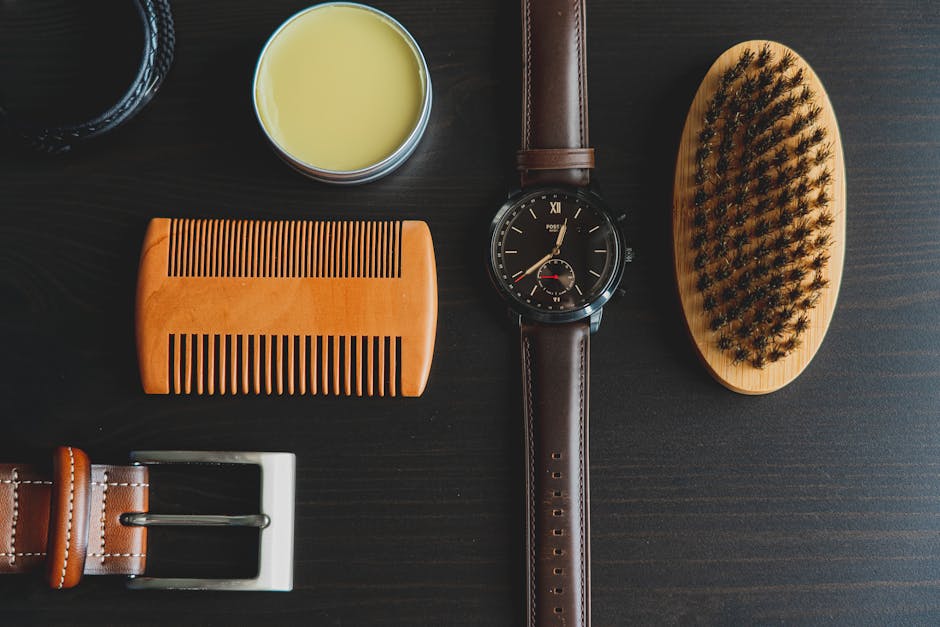
I often get asked about strap maintenance. It’s not rocket science, but a little care goes a long way. Proper cleaning and storage can drastically extend the life of your watch straps, keeping them looking fresh and comfortable. Here are some of the most common questions I hear, and my simple answers.
How often should I clean my watch strap?
For leather straps, I wipe them down with a slightly damp cloth (plain water) about once a week if I’m wearing them regularly, and then let them air dry completely. Every few months, or if they start looking dry, I use a tiny bit of leather conditioner. For NATO and Perlon straps, I actually throw them in a mesh laundry bag with my regular wash once a month, then air dry. Rubber straps (especially FKM) are the easiest: a quick rinse under lukewarm water with a mild hand soap and a soft brush, then towel dry, whenever they look dirty or after heavy sweating.
Can I swim with a leather strap?
Generally, no. Most leather straps are not designed for prolonged water exposure. Even if they’re treated, water can dry out the leather, making it stiff and prone to cracking. It also significantly shortens their lifespan. The only exception I’d make is for specific water-resistant leather straps, like those from Hirsch with their ‘100m Water-Resistant’ rating, but even then, I wouldn’t make a habit of it. For swimming, always swap to a rubber or NATO strap.
What’s the best way to store extra watch straps?
Keep them clean and dry. I use a dedicated watch roll or a small drawer organizer. Avoid direct sunlight, extreme temperatures, and excessive humidity. Leather straps benefit from being able to breathe, so don’t seal them up in airtight containers. If you have expensive leather straps, consider individual cloth pouches to prevent scratches. For metal bracelets, I keep them in their original plastic sleeves or a soft cloth when not in use to prevent them from scratching other straps or watches.
The Future of Watch Straps: Beyond the Basics
The world of watch straps is constantly evolving, with new materials and designs appearing all the time. While classic leather, metal, and fabric will always have their place, I’m excited by the innovation I’m seeing. Beyond FKM rubber, we’re now seeing straps made from sustainable materials like recycled ocean plastic, new composite materials, and even advanced synthetic fabrics that offer incredible durability and unique aesthetics. Customization is also going to become even easier, with more brands offering quick-release mechanisms and even personalized engraving options. The future isn’t just about what holds your watch, but how it expresses your individual style and adapts to your life, effortlessly.