
After years of walking, running, and just living in various socks, I’ve learned a thing or two about what actually makes a good everyday pair. I’ve bought the cheap packs, invested in the pricey ones, and dealt with everything from sweaty feet to worn-out heels. This guide cuts through the marketing fluff to tell you what’s worth your money and what to avoid.
Material Matters: Why Wool Wins (Almost Always)
Listen, I’m going to start with a bold statement: unless you have a specific wool allergy, you should almost always choose wool blends for your everyday socks. I know what you’re thinking – ‘wool is itchy and hot.’ That’s old-school thinking. Modern merino wool is a . It’s soft, regulates temperature incredibly well, and resists odor like nothing else. I used to be a cotton loyalist, but after switching, I can confidently say I regret all those years of clammy, stretched-out cotton socks.
The Merino Wool Advantage
Merino wool fibers are much finer than traditional wool, which means they don’t have that coarse, scratchy feel. What truly sets it apart for everyday wear is its natural ability to manage moisture. It wicks sweat away from your skin, keeping your feet dry in the summer and warm in the winter. Seriously, it’s magic. I can wear a pair of merino wool socks, like those from Darn Tough or Smartwool, for a few days in a row without them smelling. Try that with cotton! This isn’t just about avoiding stink; it’s about foot health, preventing blisters, and staying comfortable no matter the weather. Look for blends with 60-80% merino wool, usually combined with nylon (for durability) and spandex (for stretch and fit).
Why Cotton Fails for Daily Use
Cotton is a moisture magnet. When your feet sweat, cotton absorbs it and holds onto it, making your feet feel damp and clammy. This creates a perfect breeding ground for bacteria and can lead to blisters, especially if you’re active. I’ve been there. Long walks in cotton socks, especially sneakers, meant damp, uncomfortable feet by the end of the day. While cotton might feel soft initially, it loses its shape quickly, doesn’t offer much cushioning, and simply doesn’t perform under pressure. Save your cotton socks for lounging around the house or very light, low-sweat activities. They’re cheap, yes, but you get what you pay for in terms of performance and longevity.
Synthetics: A Mixed Bag
Synthetic socks, often made from polyester, nylon, or acrylic, can be good for specific athletic uses because they excel at wicking moisture. Brands like Thorlo do a great job with cushioned synthetics designed for specific sports. However, for general everyday wear, I find pure synthetics can sometimes feel less breathable than merino wool and are more prone to odor buildup over time. They don’t have the natural antimicrobial properties of wool. If you go synthetic for everyday, choose blends that incorporate some natural fibers or specific anti-odor treatments. Otherwise, you might find yourself with stinky feet by lunchtime.
The Dreaded Sock Slip: How to Fix It Before It Starts

Nothing grinds my gears more than a sock that slips down into my shoe. It’s not just annoying; it’s a blister waiting to happen. This isn’t always about the sock’s material; it’s often about fit and design. I’ve wasted too much money on socks that looked good on the shelf but became ankle crumplers within an hour of wearing them. There are a few key things I’ve learned to look for to prevent this common frustration.
Choosing the Right Cuff Height
Sock height plays a huge role in preventing slippage. For everyday wear with sneakers or casual shoes, I generally stick to three types: no-show, ankle, and crew. No-show socks are the trickiest; they need a robust heel grip. Look for no-show socks with a silicone strip on the inside of the heel. Brands like Bombas excel at this, often incorporating a grippy strip that really works. Ankle socks should sit just above your shoe line. If they’re too low, they’ll slide. If they’re too high, they’ll feel awkward. Crew socks, which rise to mid-calf, are generally the most secure by their nature, as they have more material to hold onto your leg. For boots or higher-cut shoes, crew or boot socks are always the way to go.
The Importance of Arch Support and Compression
A well-fitting sock isn’t just about the length of the cuff. Good everyday socks should hug your foot, not squeeze it. Many quality brands build in some level of arch support or light compression. This isn’t just for athletic performance; it helps the sock maintain its shape and stay put throughout the day. It also adds a subtle layer of comfort. When the sock has a defined heel pocket and snug arch support, it’s far less likely to migrate down into your shoe. When you try on socks, or when you’re looking at product descriptions online, check for terms like “seamless toe,” “arch band,” or “targeted compression.” These details indicate a sock designed for fit, not just aesthetics.
Don’t Skimp on Sizing
This might seem obvious, but I’ve seen too many people cramming their feet into socks that are too small or swimming in ones that are too big. Both scenarios lead to slippage and discomfort. Always check the brand’s sizing chart. Sock sizes aren’t always a simple ‘small, medium, large.’ Many brands use shoe sizes. For example, if you’re a men’s size 9.5, you might fall between two sizes. In my experience, it’s usually better to size down slightly if you’re between sizes, as a snugger fit is more likely to stay up. However, avoid anything that feels constrictive around your toes or ankle. A good sock should feel like a second skin, providing gentle support without any pinching.
Athletic vs. Everyday: When to Buy What
This is a common mistake I see people make: wearing gym socks for everyday office wear, or trying to run in thin dress socks. There’s a reason different socks exist, and understanding the distinction can save you a lot of discomfort and money. I learned this the hard way trying to make one type of sock do it all.
| Feature | Everyday Socks | Athletic Socks (e.g., Running, Hiking) |
|---|---|---|
| Primary Goal | Comfort, durability, breathability for varied activities. | Moisture-wicking, cushioning, blister prevention for high impact/sweat. |
| Typical Material | Merino wool blends (60-80%), cotton blends (lounging), some synthetics. | Advanced synthetics (polyester, nylon), high-percentage merino wool (80%+) specific blends. |
| Cushioning | Light to medium cushioning, often targeted (heel/toe). | Medium to heavy cushioning, often full footbed, arch support. |
| Fit | Snug but not restrictive, often with arch support. | Compressive, anatomical fit, often left/right specific. |
| Durability Focus | Overall longevity, resistance to holes from daily friction. | Reinforced high-wear areas (heel, toe, Achilles) for intense activity. |
| Price Range (per pair, as of 2026) | $10 – $25 (Darn Tough, Smartwool, Bombas) | $15 – $30+ (Darn Tough, Smartwool, Thorlo) |
The Crossover Sweet Spot
While distinct, there’s a crossover. Many of my favorite everyday socks, like those from Darn Tough, lean into their athletic heritage by offering excellent moisture-wicking and cushioning that stands up to a full day of walking. These are the versatile workhorses. They’re not so thick they feel bulky in dress shoes, but they offer enough protection for casual sneakers. The key is to look for a balance. If a sock feels overly thick or has extreme compression, it’s probably best saved for the gym or trails. For general everyday use, a medium-cushion merino blend is almost always the right answer.
My Top Picks: Socks Worth Every Penny (and a Few to Skip)

I’ve tried countless brands over the years, and a few have consistently stood out for everyday performance and value. These are the ones I recommend without hesitation, and a couple I’d tell you to pass on.
- Darn Tough (Various Micro Crew/Ankle styles): This is my undisputed champion for everyday socks. They are made in Vermont, and their unconditional lifetime guarantee is not a gimmick. I’ve sent back pairs with holes after years of wear and received new ones, no questions asked. Their ‘Standard Issue Mid-Calf’ or ‘Lifestyle Series’ socks are perfect for daily wear. The merino wool blend is incredibly comfortable, breathable, and durable. They come in at around $20-$25 a pair, which seems steep, but factoring in the guarantee and longevity, they’re cheaper in the long run than buying multiple packs of cheaper socks that wear out. Don’t buy cheap socks that need replacing every year; get these.
- Smartwool (Everyday Crew/Ankle Socks): Another excellent merino wool option. Smartwool offers a slightly softer feel right out of the package compared to Darn Tough for some styles, which can be appealing. Their ‘Performance Everyday’ and ‘Lifestyle’ collections are great. They hold up well, manage moisture, and come in a wide variety of colors and patterns. Expect to pay $16-$22 a pair. They don’t have the same lifetime guarantee as Darn Tough, but their quality is still very high. I tend to reach for Smartwool when I want a specific pattern or a slightly lighter feel.
- Bombas (Ankle/No-Show): If you need no-show socks that actually stay up, Bombas are your best bet. Their unique honeycomb arch support and silicone heel grip work wonders. They aren’t primarily merino wool (many are cotton blends), so they don’t have the same odor resistance or temperature regulation as wool. However, for specific low-cut shoe styles, their commitment to stay-put technology is unmatched. They’re also known for their comfortable seamless toe. Prices range from $12-$18 per pair. I wouldn’t wear these for heavy activity, but for casual shoes, they’re fantastic.
- Gold Toe (Metropolitan or similar cotton blends): For purely casual, low-impact wear, especially dress socks for the office, Gold Toe offers a decent, affordable option. They’re typically cotton blends, so they won’t wick moisture like wool, but they’re soft and generally last longer than generic department store brands. They’re a classic for a reason. You can often find multipacks for $15-$25. These are a good fallback if merino wool isn’t in the budget or if you absolutely prefer cotton for non-active use, but understand their limitations.
Socks to Skip: Any multi-pack of 100% cotton athletic socks from a big box store. They will stretch out, get holes quickly, and make your feet sweaty. It’s a false economy. Also, avoid any socks that feel overly thin and flimsy – they won’t offer any cushioning or durability. If it’s $1 a pair, it’s probably not worth it.
Sock Care 101: Making Them Last Forever (Almost)
You’ve invested in good socks; now make them last. Proper care is crucial, especially for merino wool. I learned this the hard way by shrinking a few expensive pairs. It’s not complicated, but it’s important to follow these simple steps to extend their life and maintain their performance.
Washing Wisdom
For almost all quality socks, especially merino wool, you want to wash them on a cold or cool cycle with similar colors. Hot water is the enemy of wool, causing it to shrink and felt. Use a gentle detergent. Avoid bleach at all costs, as it will break down the fibers and compromise the sock’s integrity. If you’re really looking to protect them, especially thinner dress socks or those with intricate patterns, consider using a mesh laundry bag. This prevents them from snagging on zippers or other clothing in the wash. I always use a mesh bag for my Darn Tough and Smartwool socks; it adds an extra layer of protection against wear and tear in the machine.
Drying Do’s and Don’ts
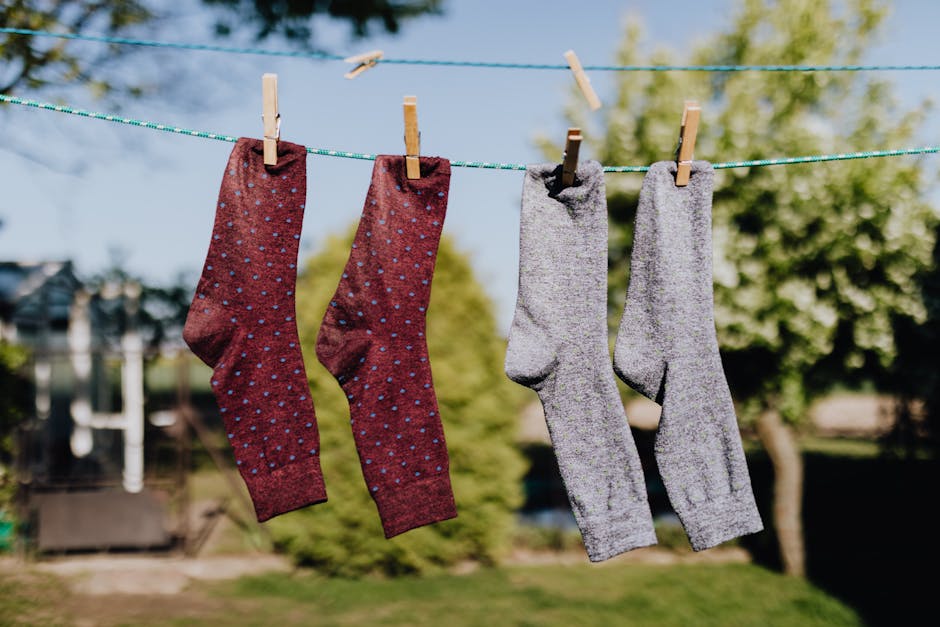
This is where most people go wrong. The dryer, particularly on high heat, is the second biggest enemy of your socks after hot water. High heat will prematurely wear out elastic fibers (like spandex), leading to socks that lose their shape and slip down. For wool socks, it can cause irreversible shrinkage and damage the delicate fibers. I always air dry my merino wool socks. I either lay them flat on a drying rack or hang them by the toe or cuff. They dry surprisingly fast, often overnight. If you absolutely must use a dryer for cotton or synthetic socks, use the lowest heat setting possible and remove them as soon as they’re dry. Better yet, pull them out when they’re still slightly damp and let them air finish. This small habit makes a huge difference in how long your socks maintain their fit and feel.
Storage Savvy
How you store your socks also matters. Avoid rolling them into tight balls, especially if they have elastic cuffs. This stretches out the elastic over time, which can lead to saggy socks. Instead, I fold my socks flat or simply pair them and lay them flat in a drawer. This helps them retain their shape and elastic integrity. Keep them in a clean, dry drawer, away from direct sunlight or extreme temperatures. Simple, but effective for long-term care.
Quick Verdict: My Go-To for Any Situation
After all these years, my sock drawer is streamlined. For everyday comfort, durability, and versatility, merino wool blends are the undisputed champions. Specifically, I grab my Darn Tough Micro Crew socks almost every single day. They just work. If I need a no-show, it’s Bombas. Period.
Comparison Summary: Everyday Sock MVPs (as of 2026)
- Darn Tough Merino Wool (Micro Crew/Ankle): Best Overall. Unbeatable durability, comfort, lifetime warranty. ~$20-25.
- Smartwool Merino Wool (Everyday Crew/Ankle): Excellent alternative. Soft, comfortable, great patterns. ~$16-22.
- Bombas (Ankle/No-Show): Best for Stay-Put No-Shows. Cotton-dominant but excellent grip. ~$12-18.
- Gold Toe (Metropolitan Cotton Blends): Good for budget-conscious, casual, non-active cotton preference. ~$15-25 (multipack).