
The column dress is the answer. Everything else in 2026 is refinement, experiment, or a shape you will regret in eighteen months — but the straight, body-grazing silhouette in fluid silk or structured matte jersey is the one style that earns closet space repeatedly.
That is the short version. The full picture includes which brands are pricing this trend correctly, which fabric stories are genuinely new, and which hyped shapes will photograph well and fit terribly.
The 5 Dress Silhouettes with Real Traction in 2026
Runways in fall 2026 and spring 2026 converged on a handful of shapes. Not everything translates to daily life. Here are the five silhouettes with genuine commercial momentum — and honest assessments of each.
- The column dress: Floor-length or midi, straight from shoulder to hem, minimal seaming. Seen consistently at Totême, COS (their Fluid Jersey Column Dress, around $180), and Reformation (Linen Column Midi, $248). The shape reads as both minimalist and occasion-ready. No volume, no drama — which is entirely the point.
- The asymmetric-hem midi: One side higher than the other, typically by 10–15cm. Loewe drove this shape through 2026 and it reached the high street quickly. Mango’s version ($89) is the sensible entry point. The critical detail: the hemline must look intentional — a clean diagonal cut that reads as designed, not a tailoring error.
- The cocoon dress: Relaxed, egg-shaped, gathered at the shoulder and tapering near the knee. STAUD has owned this silhouette for two seasons; their Margot Cotton Cocoon Dress ($325) is the reference point. COS offers a workable version at around $130. One rule: avoid anything with elastic at the hem — it collapses the structure entirely and loses what makes the shape interesting.
- The broderie anglaise shirtdress: White, ivory, or pale lemon broderie anglaise (eyelet cotton) in a relaxed button-through cut. Simone Rocha at the high end ($1,200+), Zara’s broderie cotton midi ($69) for a practical entry. This trend has more seasonal flexibility than any other on this list — it works from April through September without adjustment.
- The layered slip dress: Not a new shape, but the 2026 application is different. The slip — in satin or matte silk-feel fabric — is worn over a fitted ribbed long-sleeve, not under a blazer. Reformation’s Slip Collection ($148–$218) handles this well. & Other Stories offers comparable construction at $120–$160.
A note on the micro-mini: it appeared at several 2026 shows and immediately flooded fast fashion at $30–$45. That timeline tells you exactly where it sits in the trend cycle. It is not an investment piece.
Why Fabric Matters More Than Silhouette in 2026
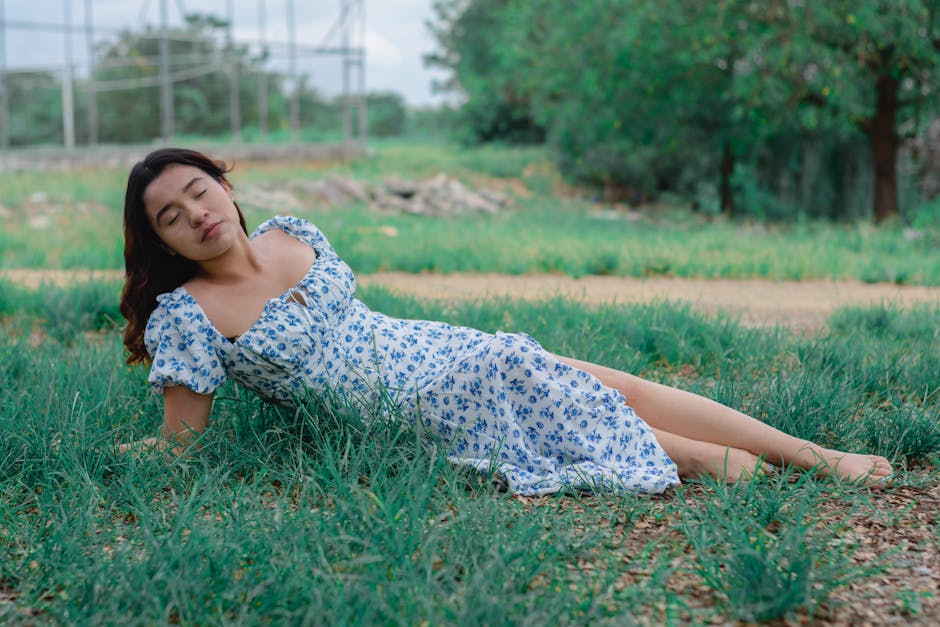
Silhouette gets the attention. Fabric determines whether you wear the dress three times or thirty.
The dominant fabric story in 2026 is the tension between opacity and lightness. Organza, silk georgette, and double-layered chiffon all sit in the same category: looks sheer, wears with structure. The challenge is execution. A badly lined organza dress balloons at the hips. A well-constructed one skims cleanly.
How to assess organza construction before buying
Hold the dress at arm’s length and look at the lining. It should stop 1–2 inches above the outer hemline — not flush with the hem, which signals cheap construction. Check that the lining is cut on the same grain as the outer layer. If they are cut differently, the dress will twist at the hip over time.
When you try it on, pinch the fabric at the hip and release. If it springs back flat, the lining is structured correctly. If it collapses against the body, the outer layer is doing all the work alone — and you will spend all evening adjusting.
The return of broderie anglaise — why 2026 is different from 2018
Broderie anglaise had a moment around 2018 and then faded. The 2026 version is cut from a mid-weight cotton base with a more structured eyelet pattern. The fabric has body that the 2018 versions completely lacked.
This matters because the popular shirtdress cut requires the fabric to hold its shape at the collar and cuffs without stiffening. Lightweight 2018-era cotton could not do that. Current mid-weight broderie can. When shopping for this style, pinch the fabric near the collar — if it immediately flattens against your fingers, it is the old construction.
Why matte jersey is replacing satin as the default dress fabric
Satin dominated dress fabrics from 2026 to 2026. The shift in 2026 is toward a viscose-polyester matte jersey that reads as expensive but costs a fraction of silk. The practical advantages are significant: no fingerprints, no seat creases after two hours, photographs as cleanly as satin without the upkeep.
For the column silhouette specifically, matte jersey is the better call in almost every real-life context. Satin column dresses work for formal events. Matte jersey column dresses work everywhere else.
Which Brands Are Delivering 2026 Dress Trends Well
This comparison focuses on which brands have actually aligned their current collections with the silhouettes and fabrics that are working in 2026 — not just which carry the highest brand recognition.
| Brand | Strongest 2026 Dress Style | Price Range | Best Context | Honest Verdict |
|---|---|---|---|---|
| Reformation | Column midi, slip dress | $148–$350 | Weekend to semi-formal | Best overall value for the silhouettes that matter this year |
| COS | Column dress, cocoon | $100–$200 | Work-to-evening | Most consistent fabric quality at this price point; safest investment pick |
| & Other Stories | Slip dress, broderie shirtdress | $100–$250 | Casual and occasion overlap | Strong construction relative to price; genuinely underused by most shoppers |
| Zara | Asymmetric hem, broderie | $49–$130 | Trend testing | Use this to try a silhouette before spending more — not your primary investment |
| STAUD | Cocoon dress | $275–$425 | Statement casual | The brand that owns this shape; premium is justified |
| Ganni | Printed slip, floral midi | $250–$450 | Event dressing with personality | Best print direction in 2026; go here when you want color |
| Arket | Column dress, matte jersey | £95–£175 | Classic investment | Consistently underrated; jersey quality exceeds what the price suggests |
Two brands worth adding if you have not shopped them before: Arket for everyday column dresses, STAUD for the cocoon silhouette. Both punch above their price tier on construction.
The Micro-Trends Not Worth Your Money in 2026
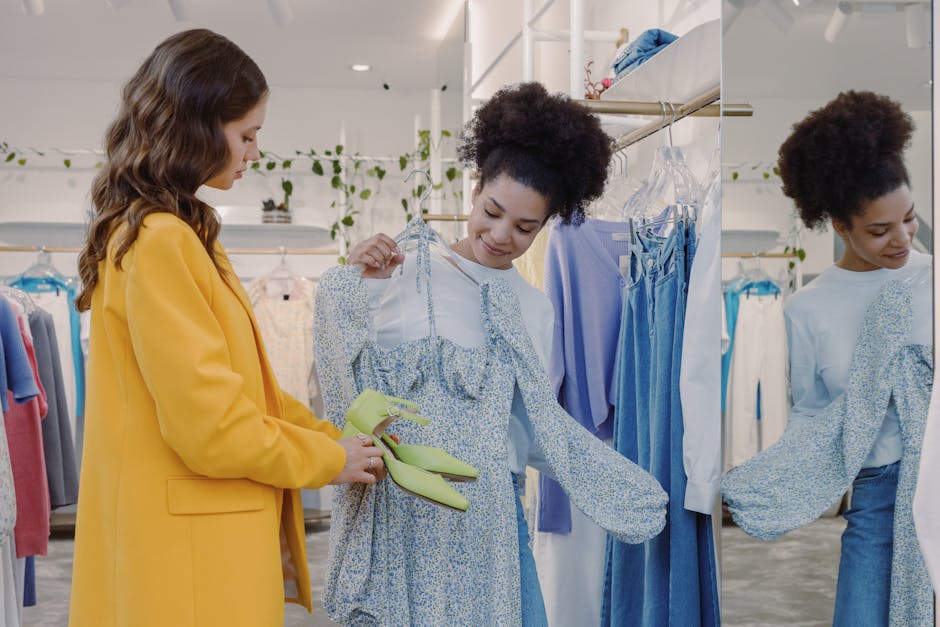
Skip the extreme bubble hem. It showed at three shows in early 2026, looked interesting on a runway, and immediately appeared in every fast-fashion chain at $35 — that timeline tells you exactly where it sits. Same verdict for dresses where oversized puffed sleeves are the primary design statement: by late 2026, those photos will date obviously. The shapes worth spending on are the ones that could have existed five years ago and will still read correctly in five more. Anything that photographs as unmistakably 2026 is a styling dead end.
Building a 2026 Dress Wardrobe Without Starting Over
Three dresses handle most situations. That is the honest framework for most wardrobes — not a capsule of fifteen, not a seasonal overhaul.
Dress one: a column midi in matte jersey or fluid fabric. This covers work events, dinners, travel days where you want to look put-together without effort. Budget $150–$250. This is where spending more makes a visible difference in fabric quality — the upgrade shows.
Dress two: a broderie anglaise shirtdress in white or ivory. Use it for casual summer days, outdoor events, beach travel. The $69–$145 range is entirely adequate here. No need to spend more — the fabric story is inherently relaxed, and this dress gets frequent washes.
Dress three: a slip dress in a color or print you actually like. Wear it with a ribbed long-sleeve underneath for the layered look that is working in 2026, or alone in summer. Reformation and & Other Stories both handle this well.
The one silhouette to retire in 2026
Wrap dresses. Not because they are unflattering — they remain one of the most universally adaptable shapes — but because the trend has fully saturated. Wearing one now reads as playing it safe rather than having a point of view. The column dress is currently the better version of the “works on most body types” silhouette, with more visual interest and none of the trend fatigue.
A fit detail that applies to every column and cocoon dress
Shoulder seam placement. For both silhouettes, the seam must sit exactly at the shoulder point — 2cm inward means it pulls across the back, 2cm outward means the whole structure droops forward. When ordering online, measure the shoulder of a jacket that fits you well and compare it to the brand’s shoulder measurement in the size guide. This single number predicts fit more reliably than chest or hip measurements for these shapes.
Color and Print Direction: What Is Replacing the Neutral Palette

Quiet luxury — the all-beige, high-quality basics aesthetic — peaked in 2026 and has been losing energy since. The 2026 shift is not a sudden move to maximalism. It is more specific than that.
The new neutrals for dresses in 2026
Warm ivory, terracotta, and a dusty faded blue — think denim washed many times over, translated into dress fabric — are the practical neutrals this year. They carry the restraint of the beige palette but with actual warmth. Totême and COS have both moved noticeably toward these tones in their current collections. Arket’s dusty blue jersey column is one of the cleaner executions of this direction at an accessible price.
The two print stories with staying power
Graphic florals with high contrast: dark background, large-scale petals in cream or dusty rose. Nothing like the small ditsy floral of 2026 — this is bolder and more structured as a print. Ganni is executing this well at the $280–$400 range, and their current floral midis are among the strongest event-dress options of the season.
Tonal prints: darker tone-on-tone abstracts or geometrics on a matte base. This stays within the quiet aesthetic while adding surface interest. The key advantage is longevity — a tonal print will read as current longer than a high-contrast graphic print, which dates faster once the season turns.
Avoid high-saturation tropical prints. That trend peaked in 2026. Anything bought now will read as last year by mid-season.
Which 2026 Dress Trend Works for Which Occasion
What is the best dress choice for a wedding in 2026?
For an outdoor or garden setting, the broderie anglaise midi in ivory or pale yellow. For a formal venue, a column dress in a soft color — dusty blue, pale terracotta, or warm ivory. Reformation’s Linen Column Midi ($248) and COS’s fluid jersey options at $150–$180 both handle the formal wedding context well. Avoid the cocoon shape for weddings; the relaxed volume reads as underdressed in most formal settings.
What works best for daily office wear?
The column dress in matte jersey, with a pointed-toe flat or a low block heel. COS at $150–$180 is the entry point that makes the most practical sense. The silhouette carries itself — no heavy accessorizing needed. It is also the shape that survives a full eight-hour day without looking noticeably worse at 5pm than it did at 9am.
What is the right dress for casual weekend use?
The layered slip dress with a fitted ribbed long-sleeve underneath, or the broderie shirtdress with flat sandals. Both are relaxed enough for errands or brunch without looking unconsidered. Zara and & Other Stories handle this price range ($69–$130) well. These are dresses you wash regularly — no need to spend more in this context.
What is the strongest choice for a night out?
The asymmetric-hem midi in a print or saturated color. This is the one context where a slightly dramatic hemline reads correctly — evening lighting, movement, a more styled environment. Mango at $89 for testing the silhouette, Ganni at $280+ if you want it to hold up past this season. The column dress also works for evening, but the asymmetric hem carries more energy in that specific context and photographs better in motion.